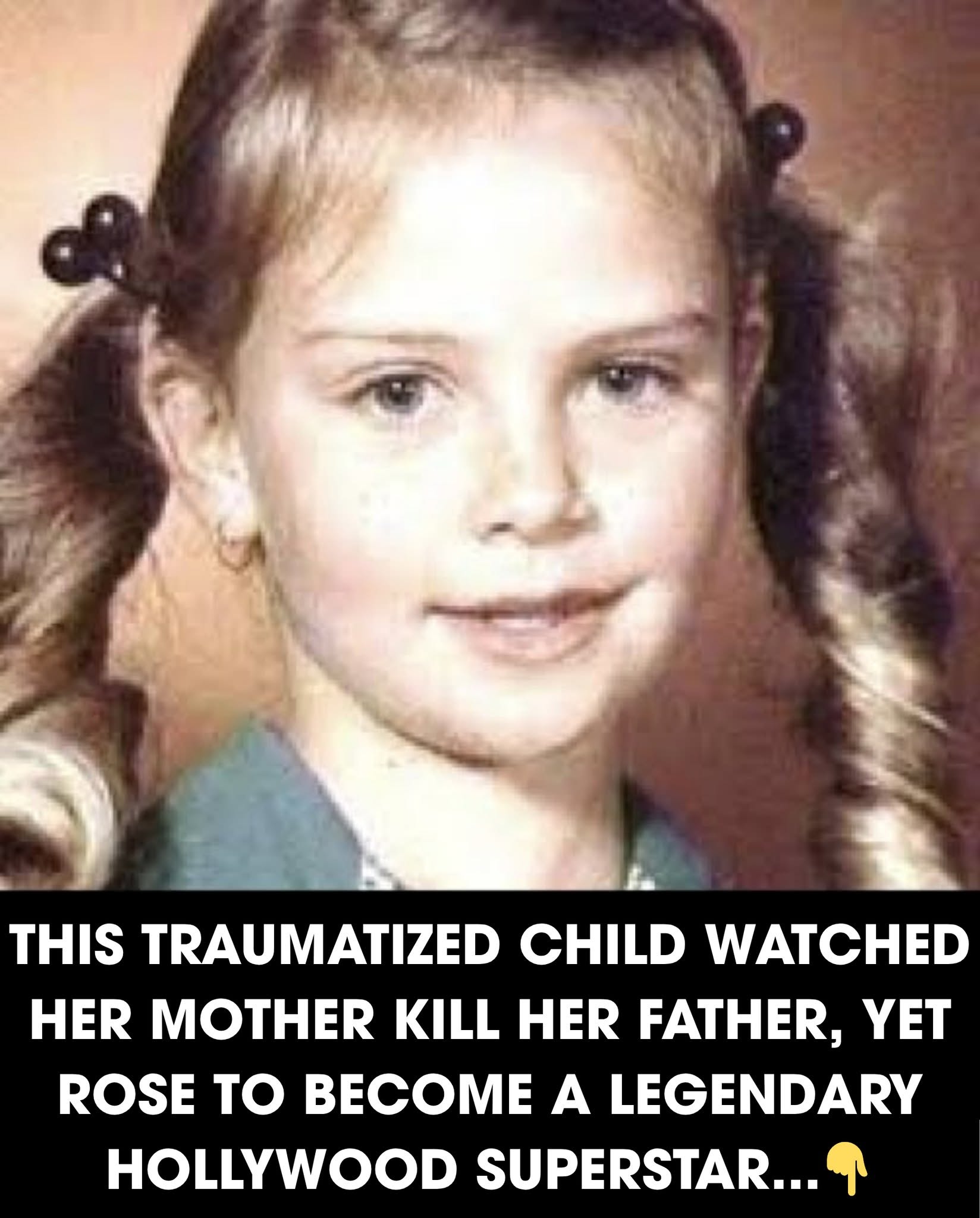
Charlize Theron is once again reflecting on the painful night that changed her life forever, when her mother, Gerda, acted in self-defense during a terrifying confrontation with Charlize’s father, Charles. The South Africa-born Oscar winner has never treated that experience as a simple headline. Instead, she has spoken about it as one part of a much larger story: a childhood shaped by fear, a country marked by social struggle, and a lifelong mission to speak out for women, children, and vulnerable communities. (Town & Country)

Source: Town & Country
In a powerful interview with Town & Country, Theron explained that many people naturally connect that night to her activism against gender-based violence. But for her, the truth is more complex. She has made clear that one traumatic event alone does not explain her commitment. Growing up in South Africa, witnessing inequality, fear, and the impact of HIV and AIDS also deeply shaped her view of the world. Her advocacy, therefore, is not only personal; it is rooted in a broader understanding of suffering, survival, and responsibility. (Town & Country)
The incident happened in 1991 in Benoni, South Africa, when Charlize was only 15 years old. According to her past interviews, her father came home intoxicated and armed, creating a dangerous situation for Charlize and her mother. Gerda’s actions were later understood as self-defense. Theron has described that night as something that changed her relationship with her mother forever, because she came to understand that her mother had saved her life. (EW.com)

Source: Town & Country
Theron has spoken openly about the emotional weight of living with an alcoholic parent. She has explained that the fear was not limited to one night, but came from the uncertainty of daily life. That kind of instability, she has suggested, can leave marks that stay with a person for years. Yet instead of allowing that pain to silence her, she gradually turned her experience into a reason to stand beside others who feel trapped, unheard, or alone.
Her career eventually carried her far beyond South Africa. After moving to the United States, Theron rose through Hollywood with roles in films such as The Devil’s Advocate, Monster, Mad Max: Fury Road, Atomic Blonde, and The Old Guard. She became one of the most respected actresses of her generation, winning an Academy Award and building a reputation for strength, discipline, and emotional intensity on screen. But her public identity has never been limited to acting. Over time, she became equally recognized for her humanitarian work. (Wikipedia)

Source: Red Carpet Fashion Awards
In 2007, she founded the Charlize Theron Africa Outreach Project, an organization focused on supporting young people in southern Africa through health, education, and community-based programs. Over the years, the organization expanded its work to include gender-based violence, vaccine equity, and other urgent social issues. Town & Country reported that CTAOP has supported dozens of community-based organizations across countries including South Africa, Rwanda, Zambia, Zimbabwe, and the Democratic Republic of Congo. (Town & Country)

Source: Town & Country
During the COVID-19 lockdowns, Theron helped launch the #TogetherForHer initiative through CTAOP, CARE, and the Entertainment Industry Foundation. The campaign was created to support people facing domestic violence at a time when many were trapped at home with abusers. ABC News reported that Theron and CTAOP committed $1 million to COVID-19 relief, with $500,000 directed specifically toward domestic violence shelters and community-based programs. (ABC News)
Theron has also served as a United Nations Messenger of Peace, using her platform to focus on the prevention of HIV and the elimination of violence against women. Her work shows that fame, when guided by purpose, can become more than visibility. It can become a tool for protection, education, and change. (Liên Hợp Quốc)

Source: ABC News
Today, Charlize Theron’s story is not simply about a Hollywood superstar who survived a painful childhood. It is about a woman who transformed private trauma into public purpose without letting that trauma define her entire identity. She has built a career marked by artistic power, personal courage, and humanitarian commitment. What happened in her family will always be part of her history, but what she has done with that history is what makes her legacy so meaningful: she turned survival into advocacy, pain into action, and fame into a voice for those who still need to be heard.
